Σάββατο 30 Σεπτεμβρίου 2023

Ποια είναι η ιδανική θερμοκρασία για το βρεφικό δωμάτιο;-Πως πρέπει να ντύνουμε τα παιδιά για ύπνο ανάλογα με την θερμοκρασία του δωματίου;--Τι είναι η τιμή tog ;-Πόσο ύπνο χρειάζονται τα παιδιά και οι έφηβοι;


Ποιά είναι η ιδανική θερμοκρασία του βρεφικού δωματίου;Πως πρέπει να ντύνουμε τα παιδιά για ύπνο ανάλογα με την θερμοκρασία του δωματίου;-

Σύμφωνα με τους ειδικούς, ακόμα και τους καλοκαιρινούς μήνες η θερμοκρασία στο δωμάτιο που κοιμάται το μωρό, ιδανικά πρέπει να είναι από 20°C μέχρι 22,2°C (γενικά θερμοκρασίες 18-21°C θεωρούνται ικανοποιητικές) . Αυτό μπορεί εύκολα να εντοπιστεί με ένα θερμόμετρο που μπορείτε να τοποθετήσετε στο βρεφικό δωμάτιο. Ωστόσο, καλό είναι να παρατηρείτε και τις αντιδράσεις του ιδιου του μωρού σας στο περιβάλλον που κοιμάται. Εάν για παράδειγμα παρατηρήσετε ότι έχει έντονα κόκκινα μάγουλα, εξανθήματα ή ότι είναι ιδρωμένο, είναι πολύ πιθανό η θερμοκρασία να είναι αρκετά υψηλή.

Πώς μπορείτε να κρατήσετε την θερμοκρασία του δωματίου στα θεμιτά επίπεδα;

Εφόσον έχετε air condition στο βρεφικό δωμάτιο, μπορείτε να το ανάψετε πριν βάλετε το μωρό σας για ύπνο για να φέρετε τη θερμοκρασία στο επίπεδο που θέλετε.

Εάν το δωμάτιο που κοιμάται το μωρό σας το βλέπει για πολλή ώρα ο ήλιος, μπορείτε κάποιες ώρες της ημέρας να έχετε το πατζούρι κλειστό για να διατηρηθεί η φυσική δροσιά του χώρου.

Καλό ειναι τους καλοκαιρινούς μήνες να έχετε όσο το δυνατόν λιγότερα πράγματα στην κούνια του μωρού. Τα πολλά σκεπάσματα, κουκλάκια ή μαξιλαράκια ζεσταίνουν το μωρό σας χωρίς λόγο.

Οι πολύ υψηλές θερμοκρασίες είναι μία από τις αιτίες του αιφνίδιου βρεφικού θανάτου για αυτό και οι ειδικοι έφιστούν την προσοχή στους γονείς.

 Πως πρέπει να ντύνουμε τα παιδιά για ύπνο ανάλογα με την θερμοκρασία του δωματίου;


                                  * Η τιμή tog είναι μονάδα μέτρησης της θερμικής αντοχής των υφασμάτων (γνωστή και ως θερμική απομόνωση) και δείχνει πόση θερμότητα κρατάει ο υπνόσακος. Όσο υψηλότερη είναι η τιμή tog, τόσο πιο ζεστός είναι ο υπνόσακος. Επιλέγοντας την σωστή tog  τιμή, θα είστε σίγουροι οτι το παιδί σας ούτε κρυώνει, ούτε ιδρώνει κατά την διάρκεια της νύχτας. Πρέπει πάντα να ελέγχετε τον λαιμό του παιδιού σας για να είστε σίγουροι ότι δεν έχει υπερθερμανθεί. Η αναπνευσιμότητα δεν επηρεάζεται απο την τιμή tog.  


Πόσο ύπνο χρειάζονται τα παιδιά και οι έφηβοι;

Η διάρκεια ύπνου ενός παιδιού ποικίλλει ανάλογα με το άτομο και ορισμένους άλλους παράγοντες, συμπεριλαμβανομένης της ηλικίας.

Βρέφη 0-3 μηνών : 14-17 ώρες*

Βρέφη 4-12 μηνών : 12-16 ώρες*

Παιδιά 1-2 ετών : 11-14 ώρες*

Παιδιά 3-5 ετών : 10-13 ώρες*

Παιδιά 6-12 ετών : 9-12 ώρες

Έφηβοι 13-18 ετών: 8-10 ώρες


What is the ideal temperature for my baby’s room?

Overheating may increase the risk of sudden infant death syndrome (SIDS) in babies one month to one year of age. Many experts recommend that the temperature in the room where a baby’s sleeps be kept between 68–72°F (20–22.2°C). Although most bedrooms don’t have their own thermostats, an indoor thermometer can help you track the room temperature.

A good rule of thumb is to keep the room at a temperature that is comfortable for a lightly clothed adult. If the room is too cold for you, it is too cold for your baby. If it is too warm for you, it is too warm for your baby.

Here are some tips to keep your baby safe and comfortable while he sleeps:

Watch for signs of overheating. If you notice sweating, damp hair, flushed cheeks, heat rash, rapid breathing, and/or restless sleep, your baby may be too hot.

Avoid over-bundling. Too many layers of clothing and covers (sleep sacks, swaddles, blankets) can cause your baby to overheat and increase his risk of SIDS. A sleep sack that zips onto your baby is a safe option if you feel an additional light layer is needed over his pajamas. Be particularly cautious if your baby is sick. Sick babies tend to have fevers, and added layers may further increase his body temperature.


Keep cribs bare. Skip soft bedding or objects in your baby’s sleep space for at least the first year of life. This includes stuffed animals, blankets, pillows, comforters, and more. If you feel you must use a blanket, use a lightweight, breathable blanket and make sure it is tucked under the bottom of the mattress, extending no higher than the middle of your baby’s chest.

Consider using a fan. The use of a fan in your baby’s room may reduce the risk of SIDS by circulating the air and lowering the baby’s risk of “re-breathing.” (This won’t make the room colder; fans do not cool the air but simply move it around. As long as your child is not perspiring, he won’t feel a chill.)

Room together. Put your baby to sleep in close proximity to you for the first six months of life. According to the American Academy of Pediatrics (AAP), this will help reduce his risk of SIDS. Many parents place their baby’s crib in their bedroom during this time.

Back is best. The safest place for your baby to sleep is on his back. The AAP recommends that healthy infants be placed on their backs for sleep during the first year of life. However, it's especially important during the first six months when the incidence of SIDS is highest.


Αυτές οι πληροφορίες προορίζονται για γενική ενημέρωση του κοινού και σε καμία περίπτωση δεν μπορούν να αντικαταστήσουν την συμβουλή ιατρού ή άλλου αρμόδιου επαγγελματία υγείας .

This information is intended as a general guide only and not to provide specific information for individual patient care. Any questions about your own situation should be directed to your medical practitioner.

Pediamed,Pediamed4u,Pedialine,Dr.Nikos Konnaris

#BABYSLEEP #nikoskonnaris #pediamed4u #pediamedcy #βρεφικοδωματιο #Babysleepwear

Πέμπτη 28 Σεπτεμβρίου 2023

Σκαφοειδής θώρακας-Pectus Excavatum


Ο σκαφοειδής ή χοανοειδής θώρακας (pectusexcavatum ή funnelchest) περιγράφεται ως εμβύθιση του στέρνου και των κατώτερων πλευρών. Συνήθως η διαταραχή αρχίζει μετά τη λαβή του στέρνου και τις δύο πρώτες πλευρές. Η διαταραχή μπορεί να είναι συμμετρική ή ασύμμετρη συνοδευόμενη από στροφή του στέρνου.

Pectus excavatum is a congenital chest wall deformity that is caused by growth abnormality of the cartilage that connects the ribs to the breastbone (sternum). This causes a depression of the sternum and the chest has a “sunken in” or “funnel chest” appearance. The condition affects more boys than girls.

Μπορεί συνήθως να χαρακτηριστεί ως ήπιας, μέσης , και μεγάλης βαρύτητας.

Η παραμόρφωση μπορεί να εντοπιστεί βαθιά («κυπελοειδής») ή διάχυτα και ρήχα ή ασύμμετρα.

Το βάθος και η έκταση του εντυπώματος καθορίζουν το βαθμό καρδιακής και πνευμονικής συμπίεσης, η οποία,στη συνέχεια, καθορίζει το βαθμό επίδρασης.

Μόνο το ένα τρίτο των ασθενών έχουν μια παραμόρφωση αρκετά σοβαρή έτσι ώστε  να απαιτήσει χειρουργική διόρθωση.

Η παραμόρφωση μπορεί να σημειωθεί στη γέννηση και επιδεινώνεται με την αύξηση. Κατά τη διάρκεια της εφηβικής ανάπτυξης, η επιδείνωση μπορεί να γίνει έντονη. Γεγονός προφανώς άγνωστο σε ιατρούς, που συμβουλεύουν εσφαλμένα τις οικογένειες των νεώτερων ασθενών ότι η δυσμορφία θα υποχωρήσει αυθόρμητα.


Επίπτωση και αιτιολογία

Εμφανίζεται σε περίπου 1 στα 1000 παιδιά και αποτελεί το 88% όλων των παραμορφωσέων του θωρακικού τοιχώματος.

Γενετική προδιάθεση, βρέθηκε στο 36% των ασθενών.

Η άρρεν-θήλυ αναλογία ειναι 4:1.

Η κληρονομικότητα είναι αυτοχρωμοσωματική κυρίαρχη,  αυτοχρωμοσωματική υπολειπόμενη, φυλοσυνεδέτη.

Κλινικά χαρακτηριστικά γνωρίσματα

Το Pectus excavatum σημειώνεται στην παιδική ηλικία περίπου σε ένα τρίτο  των ασθενών  και εξελίσσεται συνήθως αργά δεδομένου ότι το παιδί αυξάνεται.

Επειδή στα μικρά παιδιά  το θωρακικό τοίχωμα είναι ακόμα πολύ εύκαμπτο, στην πλειοψηφία των είναι ασυμπτωματικά. Εντούτοις, μεγαλώνοντας, η παραμόρφωση γίνεται σημαντικότερη και το θωρακικό τοίχωμα γίνεται πιό άκαμπτο.

Ένας φαύλος κύκλος μπορεί να αναπτυχθεί . Οι ασθενείς  διακόπτουν τις αεροβικές δραστηριότητες λόγω  ανικανότητάς. Στη συνέχεια, η ικανότητα άσκησής τους μικραίνει περαιτέρω.

Με την απόσυρση από τη συμμετοχή στις δραστηριότητες και λόγω μειωμένης άντοχης και λόγω προσπάθειας απόκρυψης της δυσμορφίας κατά τις αθλοπαίδειες  γίνονται  καταθλιπτικοί,  και  μπορεί να έχουν  επιπτώσεις στη σχολική τους απόδοση. Οι περισσότεροι ασθενείς έχουν τη χαρακτηριστική γηριατρική στάση ή «στάση pectus» που περιλαμβάνει τη θωρακική κύφωση, τους πεσμένους ώμους προς τα πρόσω , και προεξέχουσα κοιλιά.

Πολλοί ασθενείς έχουν μια σχετικά ήπια παραμόρφωση κατά τη διάρκεια της παιδικής ηλικίας.

Όταν οι ασθενείς μεγαλώνουν γρήγορα κατά τη διάρκεια της εφηβείας, η παραμόρφωση συχνά ξαφνικά επιδεινώνεται.

Τα πιο πρώιμα συμπτώματα είναι βράχυνση της αναπνοής και έλλειψη αντοχής κατά την άσκηση. Όταν η  παραμόρφωση επιδεινώνεται , εμφανίζεται  θωρακικός πόνος και αίσθημα παλμών κατά την άσκηση.

Άλλα συμπτώματα περιλαμβάνουν συχνές  και παρατεταμένες  αναπνευστικές λοιμώξεις που μπορούν  να οδηγήσουν στην ανάπτυξη άσθματος.

κείμενο:Δρ.Μ. Παγώνης ΠΔΧ


Pectus Excavatum

Pectus excavatum is a condition in which the person's breastbone is sunken into the chest. In severe cases, pectus excavatum can look as if the center of the chest has been scooped out, leaving a deep dent.

While the sunken breastbone is often noticeable shortly after birth, the severity of pectus excavatum typically worsens during the adolescent growth spurt.

Also called funnel chest, pectus excavatum is more common in boys than in girls. Severe cases of pectus excavatum can eventually interfere with the function of the heart and lungs. But even mild cases of pectus excavatum can make children feel self-conscious about their appearance. Surgery can correct the deformity.

Symptoms

For many people with pectus excavatum, the only sign or symptom is a slight indentation in their chests. In some people, the depth of the indentation worsens in early adolescence and can continue to worsen into adulthood.

In severe cases of pectus excavatum, the breastbone may compress the lungs and heart. Signs and symptoms may include:

    Decreased exercise tolerance

    Rapid heartbeat or heart palpitations

    Recurrent respiratory infections

    Wheezing or coughing

    Chest pain

    Heart murmur

    Fatigue

    Dizziness

Causes

While the exact cause of pectus excavatum is unknown, it may be an inherited condition because it sometimes runs in families.


Risk factors

Pectus excavatum is more common in boys than in girls. It also occurs more often in people who also have:

    Marfan syndrome

    Ehlers-Danlos syndrome

    Osteogenesis imperfecta

    Noonan syndrome

    Turner syndrome

Complications

Severe cases of pectus excavatum can compress the heart and lungs or push the heart over to one side. Even mild cases of pectus excavatum can result in self-image problems.

Heart and lung problems

If the depth of the breastbone indentation is severe, it may reduce the amount of room the lungs have to expand. This compression can also squeeze the heart, pushing it into the left side of the chest and reducing its ability to pump efficiently. This can cause symptoms such as exercise intolerance, shortness of breath, rapid heart rate, and chest pain or pressure.

Self-image problems

Many people who have pectus excavatum will also tend to have a hunched-forward posture, with flared ribs and shoulder blades. Many are so self-conscious about their appearance that they avoid activities where their chest can be seen, such as swimming. They may also avoid clothing that makes the indentation in their chests more difficult to camouflage.

 SOURCES:Mayo clinic, Clevelands  Hospital,CHP etc

Αυτές οι πληροφορίες προορίζονται για γενική ενημέρωση του κοινού και σε καμία περίπτωση δεν μπορούν να αντικαταστήσουν την συμβουλή ιατρού ή άλλου αρμόδιου επαγγελματία υγείας .

This information is intended as a general guide only and not to provide specific information for individual patient care. Any questions about your own situation should be directed to your medical practitioner.

Pediamed,Pediamed4u,Pedialine,Dr.Nikos Konnaris


Τρίτη 19 Σεπτεμβρίου 2023

WHAT IS ANAPHYLAXIS ? LEARN THE SIGNS AND SYMPTOMS IN CHILDREN

WHAT IS ANAPHYLAXIS ? LEARN THE SIGNS AND SYMPTOMS IN CHILDREN

What Is Anaphylaxis?

Kids with severe allergies can be at risk for a sudden, potentially life-threatening allergic reaction called anaphylaxis.
Anaphylaxis can be scary — a child may feel like his or her throat is closing or might faint, for example. But the good news is that when treated quickly, it can be managed.
Anaphylaxis isn't common, but if your child has allergies (especially to insect stings, foods, or certain medicines), it's important to know about it and be prepared.
LEARN MORE . CLICK ON LINK
 https://www.facebook.com/pediamedcy/videos/160042451331659/
 https://www.facebook.com/pediamedcy/videos/169656317036939/
 https://www.facebook.com/pediamedcy/videos/206892336646670/
 https://paediamed.blogspot.com/2018/04/how-to-administer-adrenaline.html


ΤΙ ΕΙΝΑΙ Η ΕΠΙΝΕΦΡΙΝΗ . ΠΟΤΕ ΚΑΙ ΠΩΣ ΧΡΗΣΙΜΟΠΟΙΕΙΤΑΙ -WHAT IS EPINEPΗRINE ? WHEN AND HOW WE USE IT ?

WHAT IS EPINEPΗRINE ? WHEN AND HOW WE USE IT ? ΤΙ ΕΙΝΑΙ Η ΕΠΙΝΕΦΡΙΝΗ . ΠΟΤΕ ΚΑΙ ΠΩΣ ΧΡΗΣΙΜΟΠΟΙΕΙΤΑΙ


WATCH VIDEO. LEARN MORE . ΔΕΙΤΕ ΤΟ VIDEO ΜΕ ΕΛΛΗΝΙΚΟΥΣ ΥΠΟΤΙΤΛΟΥΣ
https://paediamed.blogspot.com.cy/2018/03/what-is-anaphylaxis-learn-signs-and.html
https://paediamed.blogspot.com.cy/2018/04/how-to-administer-adrenaline.html


Τετάρτη 13 Σεπτεμβρίου 2023

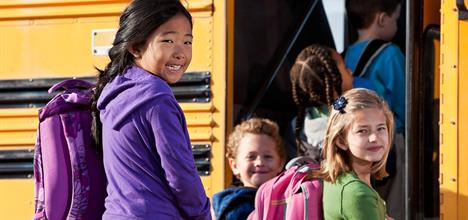
ΕΠΙΣΤΡΟΦΗ ΣΤΟ ΣΧΟΛΕΙΟ ΜΙΚΡΕΣ, ΧΡΗΣΙΜΕΣ ΟΔΗΓΙΕΣ-Back-to-School Tips for Families


ΕΠΙΣΤΡΟΦΗ ΣΤΟ ΣΧΟΛΕΙΟ-ΧΡΗΣΙΜΕΣ ΟΔΗΓΙΕΣ

·Προληπτική κλινική εξέταση του παιδιού και έλεγχος εμβολιασμών.

·Συζήτηση με τα παιδιά ότι πρέπει να περιορίσουν την χρήση των κοινωνικών δικτύων.

·Πριν το παιδί πάει σχολείο πρέπει να τρώει ένα καλό πρωϊνό –κυρίως πρωτεϊνούχο. Έτσι λειτουργεί καλύτερα.

·Τα μικρότερα παιδιά χρήζουν επίβλεψης κατά τη μεταφορά προς και από το σχολείο.

·Δημιουργία φιλικού περιβάλλοντος και χώρου μελέτης στο σπίτι.

·Απαραίτητος ο κανόνας ότι ηλεκτρονικές συσκευές και τηλεόραση δεν λειτουργούν κατά την ώρα μελέτης.

 ·Για όλα τα παιδιά απαιτείται επαρκής ύπνος που βοηθά στην καλύτερη συγκέντρωση και εκμάθηση στο σχολείο. Καλό είναι να υπάρχει σταθερή ώρα για κατάκλιση κάθε βράδυ και διακοπή κάθε ηλεκτρονικής συσκευής πριν από την κατάκλιση.


Back-to-School Tips for Families

a group of people walking

Before it's time to head back to school, use these tips to help ensure your child has a safe, healthy and happy year.

Make the first day of school easier for kids

  • Take your child to visit the new school or classroom before the first day of school. Attend any available orientations and take an opportunity to tour the school. You can also bring your child to school a few days prior to class to play on the playground to help them feel comfortable. Many children get nervous about new situations, including changing to a new school, classroom or teacher. It can be helpful to rehearse heading into the new situation.

  • Remind your child that teachers know that students may be nervous about the first day of school; they will make an extra effort to make sure everyone feels as comfortable as possible. If your child seems nervous, ask them what they are worried about and help them problem-solve ways to master the new situation.

  • Point out the positive aspects of school starting to help your kids look forward to the first day of class. Talk about how they will see old friends and meet new ones, for example.

  • Find another child in the neighborhood you child can walk to school or ride with on the bus. If you feel it is needed, drive your child (or walk with them) to school and pick them up on the first day. Get there early on the first day to cut down on unnecessary stress.

Develop a healthy sleep routine

  • Help your child adjust to earlier bedtimes a week or two before the new school year starts, just to help them ease into new routines. Set a consistent bedtime for your child and stick with it every night. Getting enough sleep is critical for kids to stay health and be successful in school. Not getting enough sleep is linked with lower academic achievement, as well as higher rates of absenteeism and tardiness. (See Healthy Sleep Habits: How Many Hours Does Your Child Need?)

  • Create a bedtime routine that is consistent to help your child settle down and fall asleep. For example, a calming pre-bedtime routine may involve a bath/shower, reading with them, tucking them in and saying goodnight.

  • Have your child turn off electronic devices well before bedtime. Try to have the home as quiet and calm as possible when younger children are trying to fall asleep.

Plan for safe travel to & from school

Review the basic rules with your student and practice any new routes or modes of transportation:

Taking the school bus

  • Remind your child to wait for the bus to stop before approaching it from the curb. Kids should always board and exit the bus at locations that provide safe access to the bus or to the school building. Make sure your child walks where they can see the bus driver (which means the driver will be able to see them, too).

  • Remind your student to look both ways to see that no other traffic is coming before crossing the street, just in case somebody does not stop as required. Encourage your child to actually practice how to cross the street several times before the first day of school.

  • If the school bus has lap/shoulder seat belts, make sure your child uses one at all times when in the bus. (If your child's school bus does not have lap/shoulder belts, encourage the school system to buy or lease buses with lap/shoulder belts). See Where We Stand: Safety Restraints on the School Bus for more information. Your child should not move around on the bus.

  • Check on the school's policy regarding food on the bus. Eating on the bus can present a problem for students with allergies and also lead to infestations of insects and vermin on the vehicles.

  • If your child has a chronic condition that could result in an emergency on the bus, make sure you work with the school nurse or other school health personnel to have a bus emergency plan. If possible, do this before the first day of class.

Safe driving & carpooling to school

  • All passengers should wear a seat belt or use an age- and size-appropriate car seat or booster seat. Keep your child riding in a car seat with a harness as long as possible and then ride in a belt-positioning booster seat. Your child is ready for a booster seat when they have reached the top weight or height allowed for their seat, their shoulders are above the top harness slots, or her ears have reached the top of the seat.

  • Have your child ride in a belt-positioning booster seat until the vehicle's seat belt fits properly (usually when the child reaches about 4' 9" in height and is between 8 to 12 years of age). This means that your child is tall enough to sit against the vehicle seat back with their legs bent at the knees and feet hanging down and the shoulder belt lies across the middle of the chest and shoulder, not the neck or throat; the lap belt is low and snug across the thighs, not the stomach.

  • Children younger than 13 years old should ride in the rear seat of vehicles. If you must drive more children than can fit in the rear seat (when carpooling, for example), move the front-seat passenger's seat as far back as possible and have the child ride in a booster seat if the seat belts do not fit properly without it.

  • Remember that many crashes happen while novice teen drivers are going to and from school. Remind your teen to wear their seat belt, limit the number of teen passengers, and do not allow eating, drinking, cell phone conversations (even when using hands-free devices or speakerphone), texting or other mobile device use to prevent driver distraction. Familiarize yourself with your state's graduated driver's license law and consider the use of a parent-teen driver agreement to facilitate the early driving learning process. See here for a sample parent-teen driver agreement.

Biking to school

  • Practice the bike route to school before the first day of school to make sure your child can manage it.

  • Always wear a bicycle helmet, no matter how short or long the ride.

  • Ride on the right, in the same direction as auto traffic and ride in bike lanes if they are present, and use appropriate hand signals.

  • Make sure kids know the "rules of the road," respect traffic lights and stop signs.

  • Wear bright-colored clothing to increase visibility. White or light-colored clothing and reflective gear is especially important after dark.

Walking to school

  • Make sure your child's walk to school is a safe route with well-trained adult crossing guards at every intersection. If your child will need to cross a street on the way to school, practice safe street crossing with them before the start of school.

  • Be realistic about your child's pedestrian skills. Because small children are impulsive and less cautious around traffic, carefully consider whether or not your child is ready to walk to school without adult supervision. Children are generally ready to start walking to school at 9 to 11 years of age.

  • In neighborhoods with higher levels of traffic, consider organizing a "walking school bus," in which an adult accompanies a group of neighborhood children walking to school.

  • Bright-colored clothing or a visibility device, like a vest or armband with reflectors, will make your child more visible to drivers.

Provide health eating options during the school day

  • Children who eat a nutritious breakfast function better. They do better in school, and have better concentration and more energy. Some schools provide breakfast for children; if yours does not, make sure they eat a breakfast that contains some protein. If your child does not have time to eat, send them to school with a grab and go snack like a granola bar.

  • Many children qualify for free or reduced price food at school, including breakfast. The forms for these services can be completed at the school office. Hunger will affect a child's performance in class.

  • Many school districts have plans which allow you to pay for meals through an online account. Your child can get a card to "swipe" at the register. This is a convenient way to handle school meal accounts.

  • Look into what is offered inside and outside of the cafeteria, including vending machines, a la carte, school stores, snack carts and fundraisers held during the school day. They should stock healthy choices such as fresh fruit, low-fat dairy products and water. Learn about your child's school wellness policy and get involved in school groups to put it into effect. Also, consider nutrition if your child will be bringing food to eat during school.

  • Choose healthier beverage options such as water to send in your child's lunch. Each 12-ounce soft drink contains approximately 10 teaspoons of sugar and 150 calories. Drinking just one can of soda a day increases a child's risk of obesity by 60%.

Consider backpack safety

  • Choose a backpack with wide, padded shoulder straps and a padded back.

  • Organize your child's backpack to use all of its compartments. Pack heavier items closest to the center of the back. The backpack should never weigh more than 10% to 20% of your child's body weight. Go through the pack with your child weekly, and remove unneeded items to keep it light.

  • Remind your child to always use both shoulder straps. Slinging a backpack over one shoulder can strain muscles. Adjust the pack so that the bottom sits at your child's waist.

Prevent bullying at school

Bullying or cyberbullying is when one child picks on another child repeatedly. Bullying can be physical, verbal, or social. It can happen at school, on the playground, on the school bus, in the neighborhood or through mobile devices like cell phones.

When your child is bullied

  • Alert school officials to the problems and work with them on solutions.

  • Teach your child to be comfortable with when and how to ask a trusted adult for help. Ask them to identify who they can ask for help.

  • Recognize the serious nature of bullying and acknowledge your child's feelings about being bullied.

  • Help your child learn how to respond by teaching your child how to:

      1. Look the bully in the eye.

      2. Stand tall and stay calm in a difficult situation.

      3. Walk away.

  • Teach your child how to say in a firm voice:

      1. "I don't like what you are doing."

      2. "Please do NOT talk to me like that."

  • Encourage your child to make friends with other children.

  • Support outside activities that interest your child.

  • Make sure an adult who knows about the bullying can watch out for your child's safety and well-being when you cannot be there.

  • Monitor your child's social media or texting interactions so you can identify problems before they get out of hand.

When your child is the bully

  • Be sure your child knows that bullying is never OK.

  • Set firm and consistent limits on your child's aggressive behavior.

  • Help your child learn empathy for other children by asking them to consider how the other child feels about they way your child treated them. Ask your child how they would feel if someone bullied them.

  • Be a positive role mode. Show children they can get what they want without teasing, threatening or hurting someone.

  • Use effective, non-physical discipline, such as loss of privileges.

  • Focus on praising your child when they behave in positive ways such as helping or being kind to other children as opposed to bullying them.

  • Develop practical solutions with the school principal, teachers, school social workers or psychologists, and parents of the children your child has bullied.

When your child is a bystander to bullying

  • Encourage your child to tell a trusted adult about the bullying. Encourage your child to join with others in telling bullies to stop.

  • Help your child support other children who may be bullied. Encourage your child to include these children in activities.

Secure before & after school child care

  • During early and middle childhood, children need supervision. A responsible adult should be available to get them ready and off to school in the morning and supervise them after school until you return home from work.

  • If a family member will care for your child, communicate the need to follow consistent rules set by the parent regarding schedules, discipline and homework.

  • Children approaching adolescence (11- and 12-year-olds) should not come home to an empty house in the afternoon unless they show unusual maturity for their age.

  • If alternate adult supervision is not available, parents should make special efforts to supervise their children from a distance. Children should have a set time when they are expected to arrive at home and should check in with a neighbor or with a parent by telephone.

  • If you choose an after-school program for your child, inquire about the training of the staff. There should be a high staff-to-child ratio, trained persons to address health issues and emergencies, and the rooms and the playground should be safe.

Build good homework & study habits

  • Some children need extra help organizing their homework. Checklists, timers, and parental supervision can help overcome homework problems.

  • Create an environment that is homework-friendly starting at a young age. Children need a consistent workspace in their bedroom or another part of the home that is quiet, without distractions, and promotes study.

  • Schedule ample time for homework. Build this time into choices about participating in after school activities.

  • Establish a household rule that the TV and other electronic distractions stay off during homework time. Supervise computer and internet use.

  • Take steps to help ease eye fatigue, neck fatigue and brain fatigue while studying. It may be helpful to close the books for a few minutes, stretch and take a break periodically when it will not be too disruptive.

  • If your child is struggling with a particular subject, speak with their teacher for recommendations on how to help your child at home or at school. If you have concerns about the assignments your child is receiving, talk with their teacher.

  • If you believe your child would benefit from special education services, submit a request to your school for an Individualized Education Program evaluation. Your pediatrician can help draft a letter of this request.

Last Updated
8/23/2023
Source
American Academy of Pediatrics Council on School Health (Copyright © 2023​)