Fungal infections of the scalp, skin or nails

Children can be infected with ringworm directly from a person, a pet or the environment. Hats, clothing, combs, carpets, and participation in contact sports can all result in infection.Many fungal infections require 1 to 2 months of treatment

Children can be infected with ringworm directly from a person, a pet or the environment.
Learn about different types of fungal infections, the causes, and the signs and symptoms to look for.
Key points
- Athlete's foot is common in teens.
- Fungal infections of the scalp and skin are common in children.
- Nail fungus is rare in children.
- The type of medication prescribed and length of treatment will depend on the location of the fungal infection.
What is a fungal infection?
Fungi are organisms like mushrooms, molds and yeasts. As parasites, they live on or in other plants or animals. Some fungi live on humans and cause skin disease. Some fungal infections are called tinea or ringworm.
Here are some common types of fungal infections:
- Body ringworm is a fungal infection on the body.
- Scalp ringworm is a fungal infection of the scalp. It occurs most commonly in young children.
- Athlete's foot is a fungal infection of the foot. It is more common in teens and older people.
- Nail fungus, or onychomycosis, is rare in children.
See tinea versicolor and oral thrush for more information on some other fungal conditions.
Signs and symptoms of a fungal infection
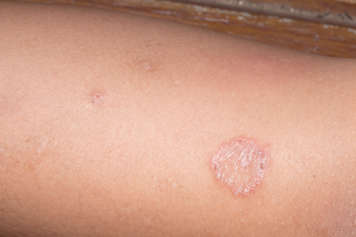
Body ringworm (tinea corporis)
- solitary circular or oval flaky patch with raised, mildly reddened borders
- itchiness
- can become very inflamed in some individuals (kerion)
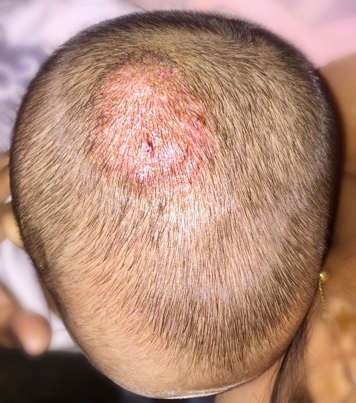
Scalp ringworm (tinea capitis)
- one or more patches of hair loss
- black dots on the scalp
- scaly and itchy
- short broken hairs
- raised tender inflamed area in some individuals (kerion)
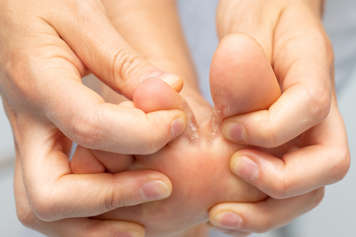
Athlete's foot (tinea pedis)
- cracked skin between toes
- itchy or burning
- the sole of the foot may become involved
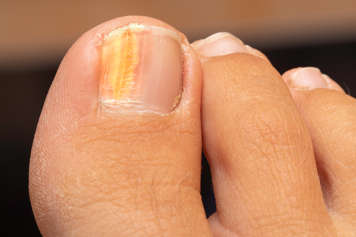
Fungal nail infections (onychomycosis)
- rare in children
- usually occurs after an injury to the nail
- nails may become thick and discoloured
Causes of fungal infections
Fungal infections happen when fungi attack the outer layer of skin on the scalp or body in areas that are warm and moist.
Children can be infected with ringworm directly from a person, a pet or the environment. Hats, combs, clothing or household items such as carpets as well as participation in contact sports can all result in infection.
Sweaty feet or wearing wet socks and tight shoes can lead to athlete's foot in adolescents. It can also occur after walking barefoot on floors of locker rooms and showers at community pools and gyms.
Diagnosing a fungal infection
Your child’s health-care provider will examine your child. Some fungal infections are diagnosed based on their typical appearance while others are confirmed after a small sample, or scraping of the skin or nail is sent to a lab to look for the presence of fungi.
Treating a fungal infection
For a fungal infection affecting the body, feet or face, your child's health-care provider will recommend or prescribe an antifungal cream. If the infection is widespread or if the scalp is affected, your child will need to take an antifungal medication by mouth to treat the infection. Many fungal infections require 1 to 2 months of treatment.
For athlete's foot, specialized sprays, powders and creams are available at your pharmacy. The most effective topical agents are terbinafine, azoles and ciclopirox.
Preventing fungal infections
Fungal infections can spread by direct person-to-person contact. Encourage your child to stay away from infected people or pets and to wear dry socks and shoes in public spaces and flip-flops in communal showers and locker rooms. Have your pets examined if fungal infections are suspected. Discourage your child from sharing personal items such as combs or hats with friends.
Αυτές οι πληροφορίες προορίζονται για γενική ενημέρωση του κοινού και σε καμία περίπτωση δεν μπορούν να αντικαταστήσουν την συμβουλή ιατρού ή άλλου αρμόδιου επαγγελματία υγείας .
This information is intended as a general guide only and not to provide specific information for individual patient care. Any questions about your own situation should be directed to your medical practitioner.

Δεν υπάρχουν σχόλια:
Δημοσίευση σχολίου