Εμφάνιση αναρτήσεων με ετικέτα HIVES. Εμφάνιση όλων των αναρτήσεων

Τετάρτη 28 Ιουνίου 2023

ΚΝΙΔΩΣΗ ΣΤΑ ΠΑΙΔΙΑ


1. Τι είναι η «Κνίδωση»;

  • Είναι μια κατάσταση που χαρακτηρίζεται από την εμφάνιση «πομφών» που είναι μία χαρακτηριστική μορφή εξανθήματος με ερυθρές ανάγλυφες περιοχές ακανόνιστου σχήματος έτσι ώστε όταν είναι εκτεταμένο να θυμίζει γεωγραφικό χάρτη. Το εξάνθημα αυτό προκαλεί κνησμό ή αίσθημα καύσους και κάποιες φορές συνοδεύεται από «αγγειοοίδημα», ένα είδος πρηξίματος που συμβαίνει κυρίως σε βλέφαρα, χείλη και γεννητικά όργανα.

2. Πόσο διαρκεί η Κνίδωση;

  • Οι πομφοί συχνά «μεταναστεύουν» στο δέρμα, ενώ το αγγειοοίδημα συνήθως διατηρείται για λίγες ημέρες. Γενικότερα, η οξεία Κνίδωση διαρκεί μέχρι και 6 εβδομάδες, ενώ το διάστημα της πλήρους ύφεσης ποικίλλει και εξαρτάται από τον παράγοντα που την προκαλεί.Η κνίδωση μπορεί με εξάρσεις και υφέσεις να ταλαιπωρήσει τον μικρό ασθενή για ημέρες ή εβδομάδες, ωστόσο η πρόγνωση παραμένει πολύ καλή. Όταν η διαρκεια της κνίδωσης ξεπεράσει τις 6 εβδομάδες (χρόνια κνίδωση) τότε χρειάζεται παιδοαλλεργιολογική αξιολόγηση και ένας περιορισμένος εργαστηριακός έλεγχος για αποκλεισμό υποκείμενου νοσήματος (παράδειγμα αυτοάνοσο).
  • 3.Τι προκαλεί κνίδωση στα παιδιά;
    
    Στις μισές περιπτώσεις η κνίδωση δεν έχει εμφανή αιτία.
    
    Πιθανόν να είναι μια αλλεργική αντίδραση σε:
    
        Χημικές ουσίες που βρίσκονται σε απορρυπαντικά, λοσιόν και άλλα προϊόντα οικιακής χρήσης.
        Σκόνη.
        Τρόφιμα, ειδικά γάλα, ξηροί καρποί ή οστρακοειδή.
        Κόμμι.
        Μούχλα.
        Κατοικίδια και άλλα ζώα.
        Γύρη.
    
    Άλλες πιθανές αιτίες κνίδωσης στα παιδιά περιλαμβάνουν:
    
        Λοιμώξεις, όπως το κοινό κρυολόγημα ή ο στρεπτόκοκκος .
        Τσιμπήματα εντόμων.
        Ρούχα που εφαρμόζουν στενά.
        Αντιδράσεις από ακτινοθεραπεία.
        Ιοί, συμπεριλαμβανομένου του SARS-CoV-2, του ιού που προκαλεί την COVID-19.
    
    Οι σπάνιες αιτίες της κνίδωσης περιλαμβάνουν:
    
        Ασκηση.
        Έκθεση σε κρύο ή ζέστη.
        Φαρμακευτικές αντιδράσεις.
        Στρες.
        Ηλιακό φώς

4. Τι φάρμακα χορηγούμε στην Κνίδωση;

  • Αποφεύγουμε τον παράγοντα που την προκαλεί και χορηγούμε αντιισταμινικά σύμφωνα με τις οδηγίες του Παιδιάτρου. Παράλληλα συστήνεται τις πρώτες μέρες αποφυγή κατανάλωσης τροφίμων με συντηρητικά, σοκολάτας, ξηρών καρπών, λαχανικών και φρούτων, όπως ντομάτα και φράουλα.

5.Τι  μπορώ να κάνω για να βοηθήσω το παιδί μου να νιώσει άνετα;

  •     Αποφυγή έκθεσης στον ήλιο και τη ζέστη.

  •     Εφαρμόζοντας δροσερές κομπρέσες ή κάνοντας  στο παιδί σας ένα δροσερό ντους ή μπάνιο.

  •     Κάλυψη πομφών με λοσιόν καλαμίνης.

  •     Διατηρούμε δροσερό το περιβάλλον

6. Σε ποιες περιπτώσεις να επισκεφτούμε τον Παιδίατρο για επανεκτίμηση;

Στην περίπτωση εμφάνισης συμπτωματολογίας από άλλα συστήματα, όπως από αναπνευστικό, γαστρεντερικό ή καρδιαγγειακό, καθώς και σε μη ύφεση της συμπτωματολογίας στο αναμενόμενο διάστημα παρά τη φαρμακευτική αγωγή.


What are hives in children?
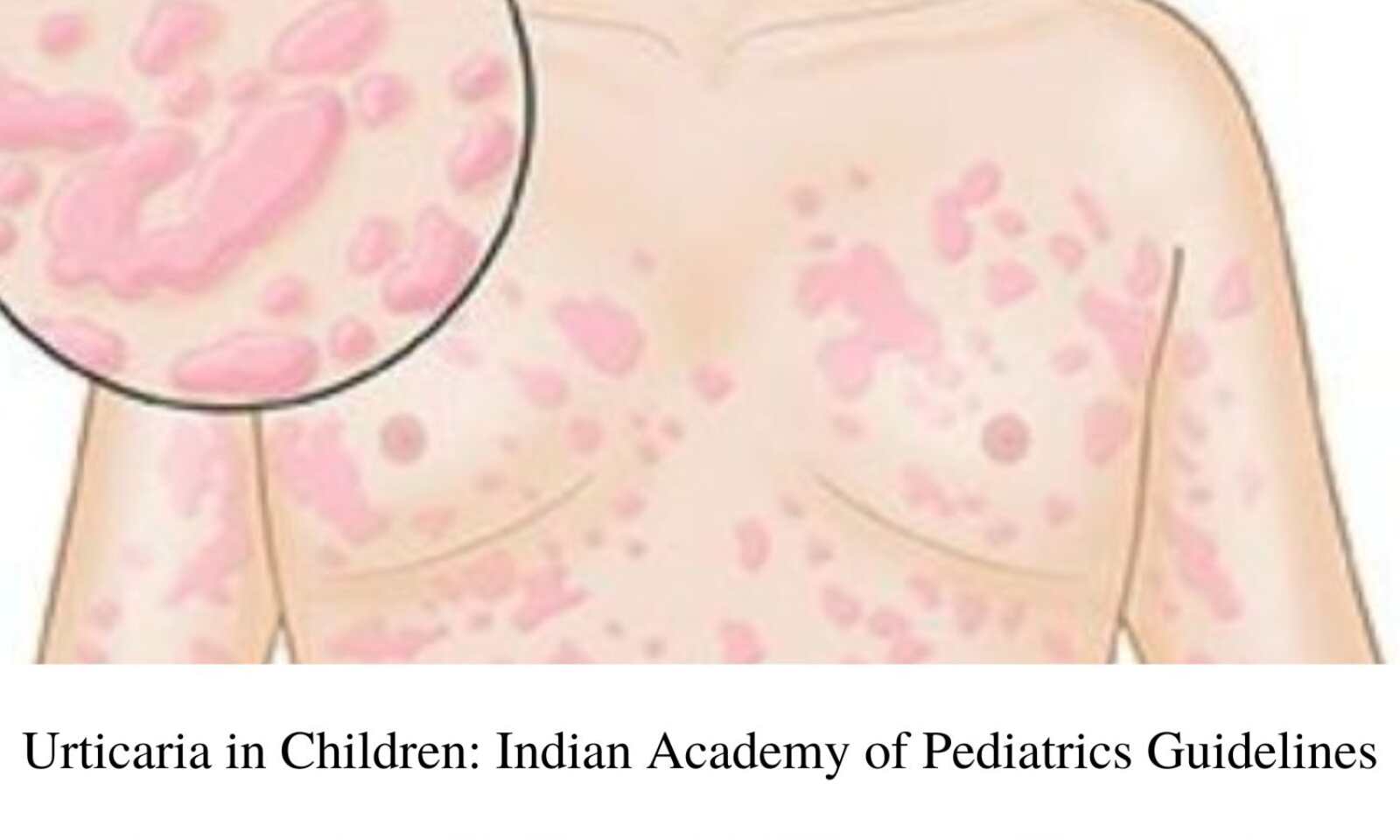
Hives (urticaria) are bumps on your skin that occur suddenly. They're common in children and usually form on their chest, stomach or back. Hives may cause discomfort, but they’re temporary and should leave no scars or bruising.

Are there different types of urticaria in children?

Hives may be acute or chronic:

  • Acute hives last anywhere between a few hours or days and six weeks.
  • Chronic hives may last for more than six weeks. In some cases, they go away only to reappear a few days later.

What do hives look like?

Hives are often reddish. But they may appear purple or grey on dark skin. They may also:

  • Appear in groups.
  • Be large or small.
  • Blend to cover large areas of skin.
  • Change shape.
  • Come and go.
  • Form rings.
  • Have a pale center.
  • Look like mosquito bites.

What do hives feel like?

In some children, hives cause no discomfort.

Urticaria in children sometimes causes symptoms that include:

  • Fussiness in young children.
  • Itching.
  • Stinging sensation.
  • Swelling in the hands, feet, eyes or lips.

A small number of children have signs of a life-threatening allergic reaction (anaphylaxis). These include:

  • Difficulty breathing or swallowing (dysphagia).
  • Dizziness or loss of consciousness.
  • Drooling.
  • High fever.
  • Joint pain.
  • Swelling in the tongue or throat.
  • Vomiting.

How do hives form?

Hives occur as part of an immune system response. When the body perceives a foreign substance, it releases histamines. These chemicals protect the body against germs but can irritate delicate tissue.

This causes irritation that makes blood vessels expand and sometimes burst. When this happens, fluid (plasma) leaks out, leading to raised patches of skin.

Which children get hives?

Any child can experience hives. Children with allergies are at a higher risk.

Possible Causes

What causes hives in children?

In as many as half of cases, hives have no cause.

When a cause is identified, it could be an allergic reaction to:

  • Chemicals found in detergents, lotions and other household products.
  • Dust.
  • Food, especially milk, tree nuts or shellfish.
  • Latex.
  • Mold.
  • Pets and other animals.
  • Pollen.

Other potential causes of urticaria in children include:

Rare causes of hives include:

  • Exercise.
  • Exposure to cold or heat.
  • Medication reactions.
  • Stress.
  • Sunlight.

Care and Treatment

What treatments help children with hives?

The treatment that’s right for your child depends on the type of hives, symptoms and severity. For acute hives with mild symptoms, treatment might not be necessary.

Children with chronic hives or acute hives and bothersome symptoms may need treatment. Medications like antihistamines can control the itch and slow the spread of hives. Your child’s healthcare provider may recommend:

  • Cetirizine liquid or tablets.
  • Diphenhydramine liquid, capsules or tablets. (Can make your child sleepy.)
  • Fexofenadine orally disintegrating tablets.
  • Loratadine tablets.

Children with signs of anaphylaxis need emergency treatment to halt the allergic reaction. Care may include an epinephrine injection.

How soon will my child feel better?

With acute hives, your child may start feeling better within a few hours. Hives may begin to fade within a few hours or days. Chronic hives take longer to heal. Your child may need additional treatments to relieve discomfort.

What else can I do to help my child feel comfortable?

Steps you can take to help your child while they heal include:

  • Avoiding heat and sun exposure.
  • Applying cool compresses or giving your child a cool shower or bath.
  • Covering hives with calamine lotion.
  • Turning on a fan or exposing your child to cool air.

When to Call the Doctor

When should I bring my child to a healthcare provider for hives?

A single episode of hives without severe symptoms or discomfort doesn't need medical attention. If your child is uncomfortable, can't sleep or hives cover a large area of their body, contact their healthcare provider. If there’s a trigger or cause of the hives, talk to your healthcare provider to determine if you should avoid it or if further testing is needed.

If your child has signs of anaphylaxis, call for an ambulance right away. Don't attempt to drive to the hospital.

Chronic hives require medical attention. Allergy testing or other assessments may be necessary to determine the cause. And your child may need a combination of antihistamines to treat them.

A note from Cleveland Clinic

Urticaria in children is common and can have many causes. The appearance of hives may concern you, but they often don't cause symptoms. Children with mild symptoms may feel better with the help of antihistamines. Some cases last several weeks and require medical attention and possibly additional testing. In rare instances, hives cause a life-threatening allergic reaction. Nearly all children with hives make a full recovery and have no scars.


 SOURCES:CLEVELAND HOSPITAL,AAP, ΝΟΣ/ΜΕΙΟ ΠΑΙΔΩΝ ΑΓ.ΣΟΦΙΑ

Παρασκευή 3 Μαΐου 2019

ΠΟΙΕΣ ΕΙΝΑΙ ΟΙ ΠΙΟ ΣΥΝΗΘΙΣΜΕΝΕΣ ΑΙΤΙΕΣ ΤΩΝ ΑΛΛΕΡΓΙΩΝ


Αιτίες Αλλεργιών


Οι αλλεργίες είναι μια ανώμαλη αντίδραση του ανοσοποιητικού συστήματος. Οι άμυνες του οργανισμού αντιδρούν σε μία συνήθως αβλαβή ουσία, όπως η γύρη, το τρίχωμα των ζώων ή τα τρόφιμα.


Σχεδόν οτιδήποτε μπορεί να προκαλέσει μια αλλεργική αντίδραση, που μπορεί να είναι από ήπια και ενοχλητική μέχρι ξαφνική και απειλητική για την ίδια τη ζωή. Διαβάστε ποιες είναι οι  πιο κοινές αιτίες της αλλεργίας.

Γύρη
Η γύρη από τα δέντρα, τα χόρτα και τα ζιζάνια μπορεί να προκαλέσει αλλεργική ρινίτιδα ή εποχιακές αλλεργίες. Μπορεί να έχετε συμπτώματα όπως ρινική καταρροή, ρινική συμφόρηση και φαγούρα ή υγρά μάτια. Οι θεραπείες περιλαμβάνουν συνταγογραφούμενα και μη συνταγογραφούμενα φάρμακα και ενέσεις. Αποτρέψτε τα συμπτώματα μένοντας μέσα στο σπίτι τις επικίνδυνες μέρες, όταν η γύρη είναι στο… φόρτε της, κλείνοντας τα παράθυρα και ανοίγοντας το κλιματιστικό.

Τρίχωμα των ζώων
Οι πρωτεΐνες που εκκρίνονται από τους λιπαρούς αδένες του δέρματος ενός ζώου και είναι παρούσες στο σάλιο του μπορεί να προκαλέσουν αλλεργικές αντιδράσεις σε κάποιους ανθρώπους. Η αλλεργία μπορεί να χρειαστεί δύο ή και περισσότερα χρόνια να αναπτυχθεί και τα συμπτώματα δεν πρόκειται να εξαφανιστούν παρά μόνο δύο μήνες τουλάχιστον μετά την απομάκρυνση του ζώου. Εάν το κατοικίδιό σας, σάς προκαλεί αλλεργίες, κρατήστε το μακριά από την κρεβατοκάμαρά σας, αποφύγετε τα χαλιά και κάνετέ το τακτικά μπάνιο. Το σκούπισμα με την ηλεκτρική σκούπα, μπορεί επίσης να βοηθήσει.

Ακάρεα σκόνης
Τα ακάρεα της σκόνης είναι μικροσκοπικοί οργανισμοί που ζουν στη σκόνη του σπιτιού. Αναπτύσσονται σε υψηλή υγρασία και τρέφονται με τα νεκρά κύτταρα του δέρματος των ανθρώπων και των κατοικίδιων ζώων, καθώς και τη γύρη, τα βακτήρια και τους μύκητες. Μπορείτε να προλάβετε την αλλεργία από τα ακάρεα σκόνης, καλύπτοντας στρώματα, μαξιλάρια και ελατήρια, με υποαλλεργικά μαξιλάρια, πλύσιμο σεντονιών σε εβδομαδιαία βάση με ζεστό νερό και κρατώντας μακριά από το σπίτι αντικείμενα που μαζεύουν πολλή σκόνη, όπως ταριχευμένα ζώα, χαλιά και κουρτίνες.

Τσιμπήματα εντόμων
Οι άνθρωποι που είναι αλλεργικοί στα τσιμπήματα εντόμων κινδυνεύουν η αλλεργική τους αντίδραση να είναι απειλητική ακόμα και για τη ζωή τους. Τα συμπτώματα περιλαμβάνουν εκτεταμένο οίδημα και ερυθρότητα από το τσίμπημα ή το δάγκωμα που μπορεί να διαρκέσει μία εβδομάδα ή περισσότερο, πυρετό, ναυτία, κόπωση και χαμηλό πυρετό. Σε σπάνιες περιπτώσεις τα τσιμπήματα εντόμων μπορεί να προκαλέσουν σοβαρή αντίδραση (αναφυλαξία), δυσκολία στην αναπνοή, πρήξιμο γύρω από το πρόσωπο, το λαιμό ή το στόμα, ταχυπαλμία, φαγούρα, δερματικό εξάνθημα, ζαλάδα, ή απότομη πτώση της αρτηριακής πίεσης. Εάν έχετε σοβαρή αλλεργική αντίδραση, θα πρέπει να πάρετε επινεφρίνη αμέσως μετά το τσίμπημα.https://paediamed.blogspot.com.cy/2018/04/how-to-administer-adrenaline.html
Μούχλα

Η εισπνοή της μούχλας ή η επαφή μ’ αυτήν ή τα σπόρια μούχλας, μπορεί να προκαλέσουν αλλεργικές αντιδράσεις σε μερικούς ανθρώπους. Υπάρχουν πολλοί τύποι μούχλας και όλοι τους χρειάζονται την υγρασία για να αναπτυχθούν. Μπορεί να βρεθεί σε υγρούς χώρους όπως τα υπόγεια ή τα μπάνια, καθώς και σε χόρτο ή σάπια φύλλα. Αποφύγετε δραστηριότητες που πυροδοτούν τα συμπτώματα της μούχλας, όπως το να μαζεύετε φύλλα με την τσουγκράνα. Αερίστε όλες τις υγρές περιοχές στο σπίτι σας.

Τροφές
Το γάλα, τα οστρακοειδή, τα αυγά και οι ξηροί καρποί είναι από τις πιο συνηθισμένες τροφές που προκαλούν αλλεργίες. Μια αλλεργική αντίδραση συνήθως συμβαίνει μέσα σε λίγα λεπτά από την κατανάλωση της τροφής. Τα συμπτώματα μπορεί να περιλαμβάνουν αναπνευστικά προβλήματα, κνησμό, εμετό, διάρροια και πρήξιμο γύρω από το στόμα. Αποφύγετε τα τρόφιμα, στα οποία γνωρίζετε ότι είστε αλλεργικοί. Αν είστε εκτεθειμένοι σ’ αυτά, μπορεί να χρειαστείτε μια ένεση επινεφρίνης.

Λάτεξ
Το υλικό λάτεξ σε γάντια, προφυλακτικά, καθώς και σε ορισμένες ιατρικές συσκευές, μπορεί να προκαλέσει αλλεργία. Τα συμπτώματα περιλαμβάνουν εξάνθημα, ερεθισμό στα μάτια, ρινική καταρροή, φτέρνισμα, συριγμό και φαγούρα στο δέρμα ή στη μύτη. Οι αλλεργικές αντιδράσεις μπορεί να κυμαίνονται από την ερυθρότητα του δέρματος και τον κνησμό μέχρι την αναφυλαξία, μια σοβαρή αντίδραση που μπορεί να προκαλέσει δυσκολία στην αναπνοή και τα εξανθήματα. Αν είστε αλλεργικοί, φορέστε ένα αντιαλλεργικό βραχιόλι και έχετε μαζί σας ένα κιτ επινεφρίνης. https://paediamed.blogspot.com.cy/2018/04/how-to-administer-adrenaline.html

Φάρμακα
Τα συμπτώματα των αλλεργιών στα φάρμακα, όπως η πενικιλίνη ή η ασπιρίνη, μπορεί να κυμαίνονται από ήπια έως και απειλητικά για τη ζωή και μπορεί να περιλαμβάνουν κνίδωση, φαγούρα στα μάτια, κυκλοφοριακή συμφόρηση, πρήξιμο στο πρόσωπο, το στόμα και το λαιμό. Είναι καλύτερο να αποφευχθεί το φάρμακο συνολικά. Αλλά αν είστε εκτεθειμένοι σ’ αυτό, ο γιατρός σας μπορεί να συστήσει τη θεραπεία των ήπιων συμπτωμάτων με αντισταμινικά ή στεροειδή. Για σοβαρά συμπτώματα αλλεργίας, μπορεί να χρειαστεί επινεφρίνη.   https://paediamed.blogspot.com.cy/2018/04/how-to-administer-adrenaline.html

Αρωμα
Αρώματα βρίσκονται σε προϊόντα όπως τα αρώματα, αρωματικά κεριά, απορρυπαντικά πλυντηρίου, καλλυντικά και μπορούν να προκαλέσουν ήπια έως σοβαρά προβλήματα υγείας. Για τους περισσότερους ανθρώπους, τα συμπτώματα καταλαγιάζουν μόλις φύγει το άρωμα. Για μερικούς, ωστόσο, η επαναλαμβανόμενη έκθεση προκαλεί περισσότερα συμπτώματα που συμβαίνουν πιο συχνά και διαρκούν περισσότερο. Υπάρχει διχογνωμία σχετικά με το κατά πόσο οι αντιδράσεις απέναντι στα αρώματα είναι πραγματικές αλλεργίες ή απλώς είναι η αντίδραση του σώματός σας σε ένα ερέθισμα
information source :medinova.gr

WHAT IS ANAPHYLAXIS ? LEARN THE SIGNS AND SYMPTOMS IN CHILDREN

What Is Anaphylaxis?

Kids with severe allergies can be at risk for a sudden, potentially life-threatening allergic reaction called anaphylaxis.
Anaphylaxis can be scary — a child may feel like his or her throat is closing or might faint, for example. But the good news is that when treated quickly, it can be managed.
Anaphylaxis isn't common, but if your child has allergies (especially to insect stings, foods, or certain medicines), it's important to know about it and be prepared.
LEARN MORE . CLICK ON LINK
 https://www.facebook.com/pediamedcy/videos/160042451331659/
 https://www.facebook.com/pediamedcy/videos/169656317036939/
 https://www.facebook.com/pediamedcy/videos/206892336646670/
 https://paediamed.blogspot.com/2018/04/how-to-administer-adrenaline.html

Τρίτη 30 Απριλίου 2019

What to do if a baby has an allergic reaction

A baby can have an allergic reaction for a variety of reasons. An allergic reaction occurs when the body has an adverse response to a usually harmless substance, such as a soap or a specific food.
Babies have sensitive skin, which makes them more likely than adults to develop a rash. Even a slight irritation to a baby's skin may be enough to trigger a rash.


Identifying the cause of the allergic reaction or sensitivity can help parents and caregivers to prevent and treat any future reactions.
Types

Babies can have several different types of skin rash, which have a range of causes. Some allergic reactions can also lead to additional symptoms, such as nausea and vomiting.

Common types of allergic reactions in infants include the following:
Eczema


Irritating fabrics, soaps, and heat can lead to eczema outbreaks in babies.

Eczema is one of the most common skin conditions in babies. There are different types of eczema, but atopic eczema is one of the most likely to affect babies and small children.

An eczema rash may consist of tiny red bumps, or it may look like scaly, dry skin.

Doctors do not know why some people develop eczema while others do not, but it may be due to a combination of genetic and environmental factors.

Common triggers of eczema outbreaks in babies include irritating fabrics, soaps, and heat.

An eczema rash may look slightly different in older infants. According to the National Eczema Association, babies younger than 6 months tend to develop eczema-type rashes on the scalp, face, and forehead.

In babies aged between 6 months and 1 year, the rash often appears on the knees and elbows.
Papular urticaria

Papular urticaria is a localized allergic reaction to a bug bite. Bites from various insects, including mosquitoes, mites, and bedbugs, can cause the reaction.

Although it usually affects children aged 2–6 years, papular urticaria can also occur in infants.

Papular urticaria resembles small clusters of red bumps or bug bites. Some of the bumps may be fluid-filled. Papular urticaria can last for several days or even weeks.
Hives

When the body is allergic to a substance, it releases a chemical called histamine that can lead to the development of hives and other allergy symptoms.

Hives are itchy, raised patches on the skin. They can range in size and shape but are usually pink or red with a thin red border.

Hives can develop anywhere on the body and often appear in clusters.


Food allergies

A baby can develop hives as the result of a food allergy.

According to the American Academy of Allergy, Asthma & Immunology, about 6 percent of children aged 2 and under have food allergies.

Signs of a food allergy can include skin reactions and respiratory or intestinal symptoms, such as:
hives
itching
coughing
vomiting
diarrhea
blood in the stool

Occasionally, it is even possible for babies to have allergic reactions to foods before they start eating them. This is because they can develop allergies to the foods that the person who is breast-feeding them eats.

The foods that children are most likely to be allergic to are:
milk and dairy products
peanuts
shellfish

Once they start eating solid foods, babies may show signs of additional allergies.

Doctors often recommend that parents and caregivers introduce new foods to a baby one at a time. This way, if an allergy does develop, it is easier to determine which food is responsible for the reaction.

Treatment

Not all reactions in babies require treatment. For example, a mild rash is likely to fade within a few hours and may not trouble the baby in that time.

However, if the symptoms of a reaction are causing visible discomfort, treatment may be necessary.

The treatment can vary according to the type of rash or reaction. In general, the following treatments may help:
Avoiding triggers: Soaps, detergents, and scented lotions can often irritate a baby's skin, so it may be best to avoid using chemical cleaners and to choose hypoallergenic products instead.
Washing with a fragrance-free cleanser: After using a mild, scent-free soap, pat the baby's skin dry and avoid rubbing too hard, as this can irritate the skin.
Applying a moisturizer: Using a hypoallergenic moisturizer after a baby's bath can help to prevent dry skin. Moisturizers also provide a barrier to protect the skin from irritants.
Using 1-percent hydrocortisone cream: Hydrocortisone cream can treat skin rashes relating to eczema or other allergic reactions. Although it is usually safe to use for infants for short periods, it is essential to speak to a doctor first.
Considering scratch mitts: Scratch mitts prevent a baby from scratching a rash with their fingernails. Too much scratching can injure the skin and lead to an infection.


Prevention

It is not possible to prevent all allergic reactions in babies, but there are steps that parents and caregivers can take to reduce the risk. These include:
washing the baby's clothes in hypoallergenic detergent
using fragrance-free shampoo, lotions, and soap
washing the baby's bedding in hot water every week to reduce the chance of dust mites
vacuuming frequently
introducing new foods one at a time

If a baby has an allergic reaction after breast-feeding, it might be beneficial to keep a food diary to try to determine the underlying cause. Dairy is a very common culprit, especially before the infant reaches 1 year in age.

After identifying the allergen, it may help to avoid eating this food while breast-feeding. However, it is best to speak to a doctor before making changes to the diet.
When to see a doctor


Seek medical advice if a rash worsens over time.

People can often treat allergic reactions in babies at home. However, in some cases, it is best to see a doctor.

If the rash spreads or worsens over time, a person should consult a doctor. It is also essential to seek medical advice if the skin shows signs of an infection, such as blistering, bleeding, or seeping fluid.

In some cases, a rash can signify another illness. If a rash appears alongside the symptoms below, people should consult a doctor:
fever
lethargy
poor feeding
coughing
excessive crying

Babies who develop allergic reactions that include wheezing, swelling of the lips or tongue, or trouble breathing will require immediate medical attention. They may be having an anaphylactic reaction, which can be severe.


Takeaway

Allergic reactions and sensitivities are common in babies, in part because they have such sensitive skin.

In most cases, these reactions are mild, and parents or caregivers can treat them at home.

Identifying the allergen can help to prevent future reactions. Many babies will grow out of their allergies, but others will develop new allergies as they get older.


Last reviewed Mon 16 July 2018
By MaryAnn de Pietro
Reviewed by Karen Gill, MD