Παρασκευή 31 Ιανουαρίου 2025

ΟΣΤΕΟΠΟΡΩΣΗ-A Visual Guide to Osteoporosis


What Is Osteoporosis?
1/12

What Is Osteoporosis?

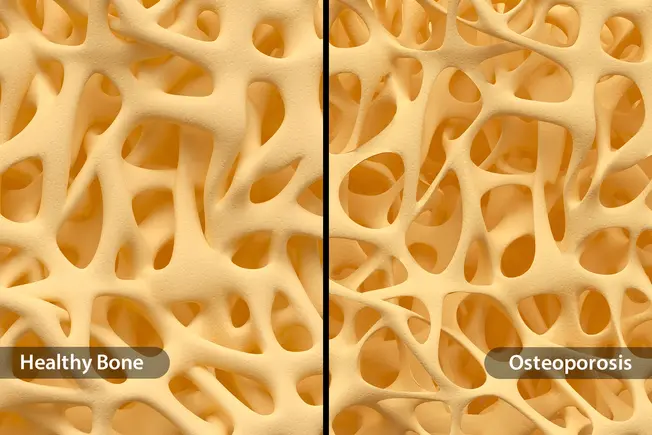
Osteoporosis is a disease you get when you lose bone faster than you make it. “Osteo” means bone, and “porosis” means porous (full of holes). The bone loss of osteoporosis makes your bones weak, brittle, and fracture easily.
Symptoms
2/12

Symptoms

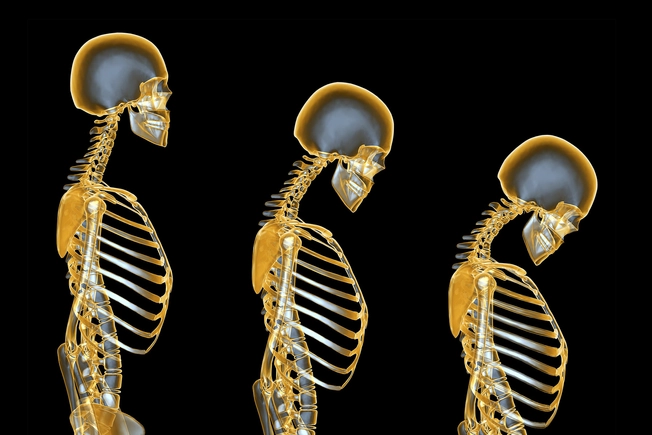
You probably won’t have any symptoms in early-stage osteoporosis. Once your bones get weak enough, you might start having back pain from fractured or collapsed vertebrae. You may also start leaning forward in a stooped position and measure an inch or two less than before your bone loss.
Fractures
3/12

Fractures

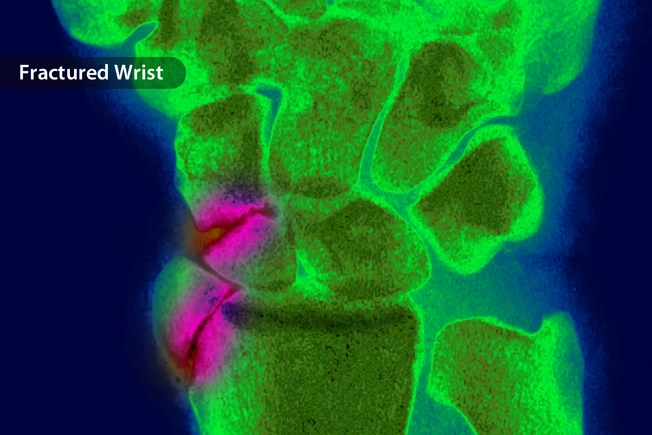
Sometimes a bone fracture is the first way you know you have osteoporosis. Fractures can happen in any bone, but are most common in your hip, wrist, and spine. It doesn't take a fall to cause a fracture in weak bones. You can get one climbing stairs, lifting heavy objects, or even leaning forward. These kinds of fractures can cause long-term chronic health problems.
Causes
4/12

Causes

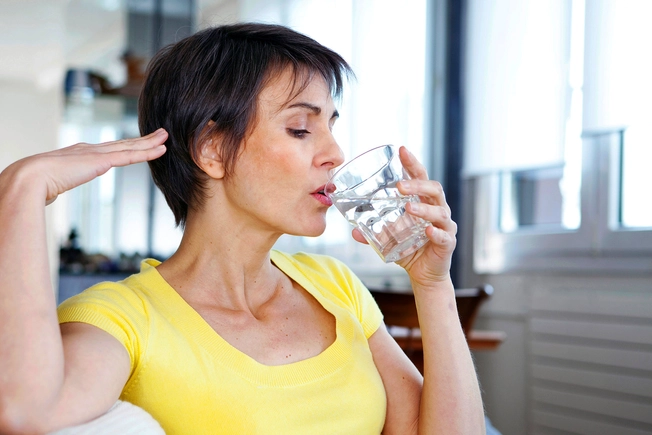
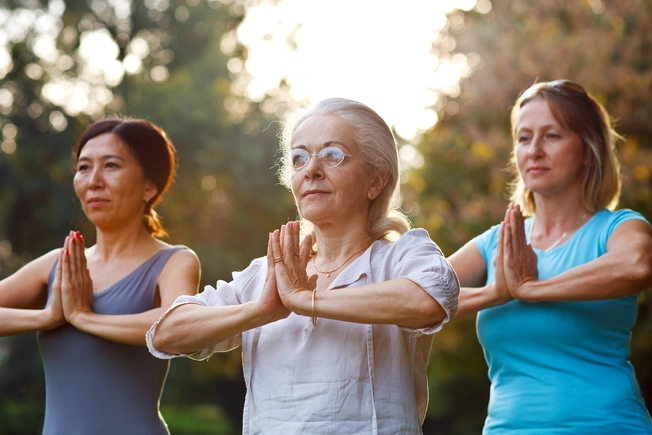
Estrogen is a hormone that helps you build and protect bone. When estrogen levels are low you lose bone. You also lose bone during and after menopause when your ovaries stop making estrogen. Your risk of getting osteoporosis goes up if you didn’t build enough bone as a child from an eating disorder, lack of vitamin D or calcium, lack of exercise, or another health problem.
Risk Factors
5/12

Risk Factors

Osteoporosis can happen at any age, but it’s most common in adults over 50. Women are four times more likely to get it than men. Your chance of bone loss goes up if you’re Asian or white, have a small body frame, and if you have a family member with osteoporosis -- especially if that family member fractured a bone.
Other Risk Factors
6/12

Other Risk Factors

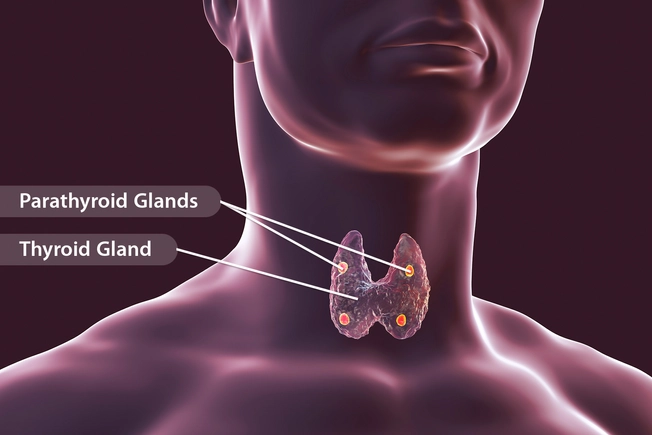
As your sex hormones (testosterone and estrogen) go down with age, your risk goes up. Some cancer treatments also lower these hormones. Too much thyroid hormone or an overactive parathyroid or adrenal gland can bump up your risk, as can other conditions like celiac, kidney, or liver disease, lupus, inflammatory bowel disease, and rheumatoid arthritis. Steroids, like prednisone, can also increase your risk.

Lifestyle Risk Factors
7/12

Lifestyle Risk Factors

If you don’t get much physical activity, your bones get weaker over time. Drinking more than two alcoholic beverages a day ups your risk, as does tobacco use.
Diagnosis
8/12

Diagnosis

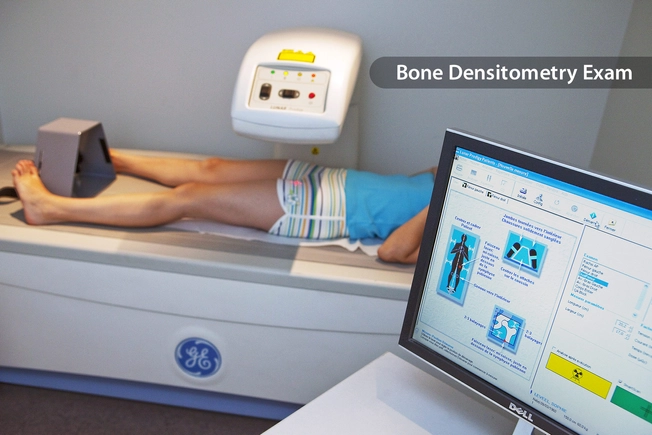
To tell if you have osteoporosis, the doctor will need to test your bone mineral density (BMD). The most common test for checking BMD is a special type of X-ray called a central dual-energy x-ray absorptiometry (DXA). Your result, or T-score, tells your doctor whether your bone density is normal or if you have mild bone loss (osteopenia) or osteoporosis.
Treatment
9/12

Treatment

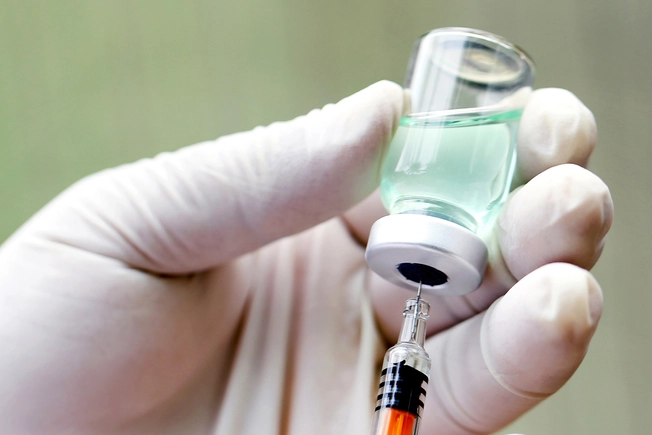
Your doctor can prescribe a medication that prevents bone loss or builds up new bone. Some of these medications, such as bisphosphonates and selective estrogen receptor modulators (SERMs) are pills. One is a shot. You’ll get others, including a type of hormone and an immune therapy, as shots. The doctor may also tell you to get more calcium and vitamin D, along with more exercise.

Prevention Diet
10/12

Prevention Diet

Calcium and vitamin D are both key for bone health. You need vitamin D to help you absorb calcium. You may be able to get some of it from the sun, but you'll also need to eat food rich in vitamin D. Many people also need a supplement. Calcium-rich foods include low-fat dairy, leafy greens, salmon or sardines with bones, soy, and calcium-fortified cereals or orange juice.
Prevention: Build Strength
11/12

Prevention: Build Strength

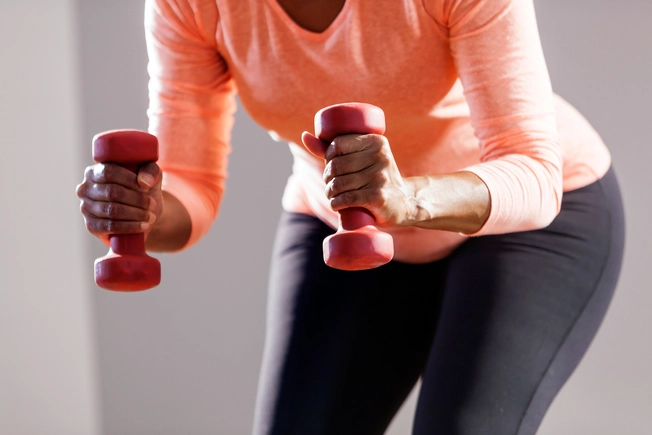
Exercise, especially weight-bearing moves, keeps bones strong as you age. Walking counts! Aim for 30 minutes of physical activity 5 days a week, or 2.5 hours overall. Your muscles will also benefit, and you’ll be better able to prevent falls.
complications
12/12

complications

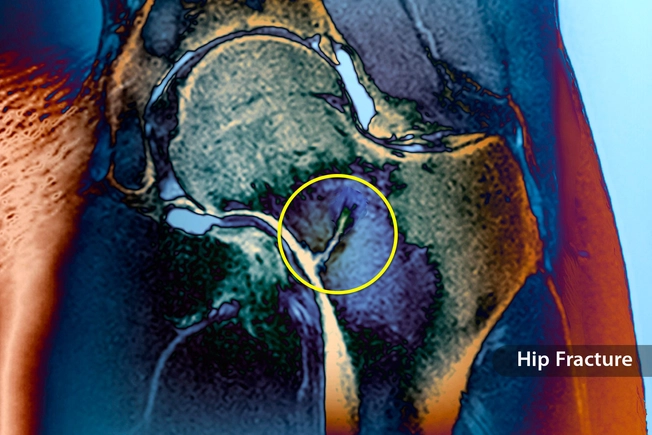
Untreated osteoporosis can lead to multiple fractures over time. Spine and hip fractures are the most serious. They can leave you with a permanent disability and can raise your risk of death within the first year after your fracture.

 source:WebMD

Medically Reviewed by Carol DerSarkissian, MD on December 04, 2022

Σάββατο 18 Ιανουαρίου 2025

ΚΡΥΟΠΑΓΗΜΑΤΑ-ΠΡΟΛΗΨΗ-ΘΕΡΑΠΕΙΑ

 ΚΡΥΟΠΑΓΗΜΑΤΑ-ΠΡΟΛΗΨΗ-ΘΕΡΑΠΕΙΑ


ΚΡΥΟΠΑΓΗΜΑΤΑ
• Ο πιο κοινός τύπος βλάβης από το ψύχος
• Πάγωμα και κρυσταλλοποίηση των υγρών στους διάμεσους ιστούς και στα κύτταρα λόγω παρατεταμένης έκθεσης σε πολύ χαμηλές θερμοκρασίες
• Επιβαρυντικός παράγοντας οι ισχυροί άνεμοι, που προκαλούν αγγειοσύσπαση και άρα όχι καλή ροή του αίματος το οποίο δεν μπορεί να απελευθερώσει θερμότητα στους ιστούς
• Άλλοι παράγοντες κινδύνου:
-ανεπαρκής στέγαση
- ένδυση, υψόμετρο, ακινητοποίηση, ακραίες ηλικίες, υποκείμενες καταστάσεις (λοιμώξεις, χρήση αλκοόλ, αθηροσκλήρωση, διαβήτης)
• Πιο συχνά προσβάλλονται χέρια, πόδια και άλλα εκτεθειμένα μέρη π.χ. αυτιά, μύτη, χείλη
• Τα παιδιά έχουν μεγαλύτερη σχέση επιφάνειας σώματος - προς βάρος και άρα μεγαλύτερο κίνδυνο για υποθερμία από ότι οι ενήλικες
• Σε θερμοκρασίες κάτω των -10°C, κάθε ιστός που παρουσιάζει αιμωδίες μερικών λεπτών μπορεί δυνητικά να εμφανίσει κρυοπαγήματα
• Επιπλοκές: μολύνσεις, πυώδης έκκριση, τέτανος, απώλεια ιστών, βακτηριαιμία, λεμφοίδημα, υπερίδρωση, υπεργλυκαιμία, οξέωση, δυσρυθμίες


Πρόληψη
• Αποφύγετε το κρύο
• Διατηρείστε ξηρά τα χέρια και τα πόδια
• Αποφύγετε στενά ρούχα, συμβάλλουν σε κρυοπαγήματα
• Φορέστε χαλαρά, άνετα, ελαφρά ρούχα
- τα μάλλινα μόνον εξωτερικά
- να υπάρχουν πολλές επιφάνειες που θα εγκλωβίζουν τη ζέστη
- τα εξωτερικά να προστατεύουν από άνεμο και νερό
- 2 ζεύγη κάλτσες, πρώτα από υλικό που δεν υγραίνεται και από πάνω οι μάλλινες
- παπούτσια αδιάβροχα, να καλύπτουν και τον αστράγαλο
- καλύψτε το κεφάλι και τα αυτιά με μάλλινο καπέλλο
- καλύψτε το πρόσωπο με κασκόλ, αυτό ζεσταίνει τον αναπνεόμενο αέρα και προφυλάσσει χείλη και μύτη
- χρησιμοποιείστε γάντια χωρίς δάκτυλα
 
• Προσπαθείστε να μην ιδρώνετε
• Προσοχή να μην μπει χιόνι μέσα στις μπότες ή μέσα από τα ρούχα
• Πίνετε πολλά υγρά και τρώτε θερμιδικά
• Όχι αλκοόλ και κάπνισμα
• Εμβολιαστείτε κατά του τετάνου
• Μην πλένετε συχνά χέρια - πόδια - πρόσωπα όταν υπάρχουν ακραίες συνθήκες
• Κόψτε νύχια χεριών και ποδιών
• Μην τρίβετε τις προσβεβλημένες περιοχές - τραυματίζονται περισσότερο από τους παγοκρυστάλλους που υπάρχουν στο δέρμα
• Μην χρησιμοποιείτε ξηρή θερμότητα για να ξεπαγώσετε τις παγωμένες επιφάνειες. Θέρμανση με υγρασία είναι καλύτερη επειδή επιτρέπει πιο ολοκληρωμένη απόψυξη
• Σε μεγάλα υψόμετρα, μέτρια δραστηριότητα για ελαχιστοποίηση της αναπνοής και της σχετιζόμενης απώλειας θερμότητας μέσω του αναπνευστικού δένδρου.
• Η χρήση συμπληρωματικά οξυγόνου έχει βρεθεί ότι μειώνει την εμφάνιση κρυοπα-γήματος στους ορειβάτες
 

How cold is too cold?Πόσο ΄΄κρύο΄΄ είναι ΄΄πολύ κρύο΄΄;


How cold is too cold?

Πόσο ΄΄κρύο΄΄ είναι ΄΄πολύ κρύο΄΄;


Below 13° - If your home is this cold, it may increase your blood pressure and risk of cardiovascular disease.
Κάτω από 13° - Εάν το σπίτι σας είναι τόσο κρύο, μπορεί να αυξήσει την αρτηριακή σας πίεση και τον κίνδυνο καρδιαγγειακών παθήσεων.
14-15° - If your home is this cold, you may be diminishing your resistance to respiratory diseases.
14-15° - Εάν το σπίτι σας είναι τόσο κρύο, μπορεί να μειωθεί η αντίσταση σας σε αναπνευστικά νοσήματα..
18° is the recommended night time bedroom temperature.
18° είναι η συνιστώμενη θερμοκρασία κρεβατοκάμαρας τη νύχτα.
19-21° is the recommended daytime temperature range for occupied rooms.
19-21° είναι το προτεινόμενο εύρος θερμοκρασίας κατά τη διάρκεια της ημέρας για κατοικημένους χώρους ( δωμάτια.)
24-27º is too warm and can put babies and young children at risk.
Η θερμοκρασία 24-27º είναι πολύ υψηλή και μπορεί να θέσει σε κίνδυνο βρέφη και μικρά παιδιά.
If you have a central heating system, you may also have a room thermostat to monitor and control the temperature in your home – it sends a signal to the boiler telling it to switch off when the house is warm enough. It’s usually found in a hallway or sitting room.
Some modern heating controls now combine a heating timer and the thermostat, allowing you to set different temperatures for different times of the day.

Cold Stress - Cold Related Illnesses
Types of Cold-related Illnesses
Hypothermia
When exposed to cold temperatures, your body begins to lose heat faster than it can be produced. Prolonged exposure to cold will eventually use up your body’s stored energy. The result is hypothermia, or abnormally low body temperature. A body temperature that is too low affects the brain, making the victim unable to think clearly or move well. This makes hypothermia particularly dangerous because a person may not know it is happening and will not be able to do anything about it.
Symptoms
Symptoms of hypothermia can vary depending on how long you have been exposed to the cold temperatures.
Early Symptoms
Shivering
Fatigue
Loss of coordination
Confusion and disorientation
Late Symptoms
No shivering
Blue skin
Dilated pupils
Slowed pulse and breathing
Loss of consciousness
First Aid
Take the following steps to treat a worker with hypothermia:
Alert the supervisor and request medical assistance.
Move the victim into a warm room or shelter.
Remove their wet clothing.
Warm the center of their body first-chest, neck, head, and groin-using an electric blanket, if available; or use skin-to-skin contact under loose, dry layers of blankets, clothing, towels, or sheets.
Warm beverages may help increase the body temperature, but do not give alcoholic beverages. Do not try to give beverages to an unconscious person.
After their body temperature has increased, keep the victim dry and wrapped in a warm blanket, including the head and neck.
If victim has no pulse, begin cardiopulmonary resuscitation (CPR).

Frostbite
Frostbite is an injury to the body that is caused by freezing. Frostbite causes a loss of feeling and color in the affected areas. It most often affects the nose, ears, cheeks, chin, fingers, or toes. Frostbite can permanently damage body tissues, and severe cases can lead to amputation. In extremely cold temperatures, the risk of frostbite is increased in workers with reduced blood circulation and among workers who are not dressed properly.
Symptoms
Symptoms of frostbite include:
Reduced blood flow to hands and feet (fingers or toes can freeze)
Numbness
Tingling or stinging
Aching
Bluish or pail, waxy skin

First Aid
Workers suffering from frostbite should:
Get into a warm room as soon as possible.
Unless absolutely necessary, do not walk on frostbitten feet or toes-this increases the damage.
Immerse the affected area in warm-not hot-water (the temperature should be comfortable to the touch for unaffected parts of the body).

Warm the affected area using body heat; for example, the heat of an armpit can be used to warm frostbitten fingers.
Do not rub or massage the frostbitten area; doing so may cause more damage.
Do not use a heating pad, heat lamp, or the heat of a stove, fireplace, or radiator for warming. Affected areas are numb and can be easily burned.
Trench Foot
Trench foot, also known as immersion foot, is an injury of the feet resulting from prolonged exposure to wet and cold conditions. Trench foot can occur at temperatures as high as 60 degrees F if the feet are constantly wet. Injury occurs because wet feet lose heat 25-times faster than dry feet. Therefore, to prevent heat loss, the body constricts blood vessels to shut down circulation in the feet. Skin tissue begins to die because of lack of oxygen and nutrients and due to the buildup of toxic products.
Symptoms

Symptoms of trench foot include:
Reddening of the skin
Numbness
Leg cramps
Swelling
Tingling pain
Blisters or ulcers
Bleeding under the skin
Gangrene (the foot may turn dark purple, blue, or gray)
First Aid
Workers suffering from trench foot should:
Remove shoes/boots and wet socks.
Dry their feet.
Avoid walking on feet, as this may cause tissue damage.
Chilblains
Chilblains are caused by the repeated exposure of skin to temperatures just above freezing to as high as 60 degrees F. The cold exposure causes damage to the capillary beds (groups of small blood vessels) in the skin. This damage is permanent and the redness and itching will return with additional exposure. The redness and itching typically occurs on cheeks, ears, fingers, and toes.
Symptoms
Symptoms of chilblains include:
Redness
Itching
Possible blistering
Inflammation
Possible ulceration in severe cases
First Aid
Workers suffering from chilblains should:
Avoid scratching
Slowly warm the skin
Use corticosteroid creams to relieve itching and swelling
Keep blisters and ulcers clean and covered
source:CDC
 

Κυριακή 5 Ιανουαρίου 2025

HMPV - Τι είναι, πώς μεταδίδεται και πόσο κινδυνεύουμε.


Τι είναι ο HMPV;

O ανθρώπινος μεταπνευμονοϊός (HMPV) δεν είναι τόσο άγνωστος στην επιστήμη ούτε ΄΄μυστηριώδης΄΄ καθώς ανακαλύφθηκε το 2001 και προκαλεί συμπτώματα παρόμοια με του κοινού κρυολογήματος. Εχει παγκόσμια κατανομή, δηλαδή ανιχνεύεται σε όλες τις χώρες και ειδικά την περίοδο του χειμώνα.

Σύμφωνα με τα αμερικανικά Κέντρα Ελέγχου και Πρόληψης Νοσημάτων (CDC), o ιός του ανθρώπινου μεταπνευμονοϊού (HMPV) μπορεί να προκαλέσει λοίμωξη του άνω και κάτω αναπνευστικού σε ανθρώπους όλων των ηλικιών, ειδικά σε μικρά παιδιά, ηλικιωμένα άτομα και ανθρώπους με εξασθενημένο ανοσοποιητικό σύστημα.

Ανακαλύφθηκε το 2001 και ανήκει στην οικογένεια Pneumoviridae, μαζί με τον αναπνευστικό συγκυτιακό ιό (RSV).

Η ευρύτερη χρήση μοριακής διαγνωστικής εξέτασης έχει ενισχύσει την αναγνώριση και την ευαισθητοποίηση σχετικά με το HMPV ως σημαντική αιτία λοίμωξης.

Τα συμπτώματα που σχετίζονται συνήθως με το HMPV περιλαμβάνουν βήχα, πυρετό, ρινική συμφόρηση και δυσκολία στην αναπνοή. Τα κλινικά συμπτώματα της λοίμωξης από HMPV μπορεί να εξελιχθούν σε βρογχίτιδα ή πνευμονία και είναι παρόμοια με άλλους ιούς που προκαλούν ανώτερες και κατώτερες αναπνευστικές λοιμώξεις.

Πόσο κρατάει;

Η εκτιμώμενη περίοδος επώασης είναι 3 έως 6 ημέρες και η μέση διάρκεια της ασθένειας μπορεί να ποικίλλει ανάλογα με τη σοβαρότητα, αλλά είναι παρόμοια με άλλες αναπνευστικές λοιμώξεις που προκαλούνται από ιούς.

Πώς κολλάει;

Όπως συμβαίνει και με άλλες αναπνευστικές λοιμώξεις, ο ανθρώπινος μεταπνευμονοϊός μπορεί να μεταδοθεί από ένα μολυσμένο άτομο σε άλλους με τις εκκρίσεις από το βήχα και το φτέρνισμα, τη στενή προσωπική επαφή, όπως το άγγιγμα ή η χειραψία και το άγγιγμα αντικειμένων ή μολυσμένων επιφανειών που έχουν τους ιούς και στη συνέχεια η επαφή με το στόμα, τη μύτη ή τα μάτια.


Ποιοι κινδυνεύουν περισσότερο;

Οποιοσδήποτε μπορεί να προσβληθεί από μεταπνευμονοϊό, αλλά τα άτομα που διατρέχουν μεγαλύτερο κίνδυνο περιλαμβάνουν:

  • Παιδιά κάτω των 5 ετών
  • Ανοσοκατεσταλμένοι, όπως αυτοί που λαμβάνουν αντικαρκινικά φάρμακα ή έχουν υποβληθεί σε μεταμόσχευση οργάνων
  • Νεογέννητα
  • Άτομα άνω των 65 ετών
  • Άτομα με άσθμα που χρησιμοποιούν στεροειδή
  • Άτομα με χρόνια αποφρακτική πνευμονοπάθεια (ΧΑΠ)
  •  

Πότε είναι το «πικ» του;

Η «κυκλοφορία» του HMPV αρχίζει το χειμώνα και διαρκεί έως την άνοιξη. Τα δεδομένα επιτήρησης από το Εθνικό Σύστημα Επιτήρησης Αναπνευστικών και Εντερικών Ιών (NREVSS) του CDC δείχνουν ότι ο HMPV είναι πιο δραστήριος κατά τη διάρκεια του τέλους του χειμώνα και της άνοιξης σε εύκρατα κλίματα. Ο HMPV, ο αναπνευστικός συγκυτιακός ιός (RSV) και η γρίπη μπορεί να κυκλοφορούν ταυτόχρονα κατά τη διάρκεια της εποχής των αναπνευστικών ιών.

Πρόληψη

  • Πλένουμε τα χέρια μας συχνά με σαπούνι και νερό για τουλάχιστον 30 δευτερόλεπτα
  • Αποφεύγουμε να αγγίζουμε τα μάτια, τη μύτη ή το στόμα με τα χέρια
  • Αποφεύγουμε κοντινή επαφή με άτομα που είναι άρρωστα
  • Φοράμε μάσκα σε κλειστούς πολυσύχναστους χώρους
  • Ανοίγουμε τα παράθυρα όπου μπορούμε να ανανεώνεται ο αέρας

Οι ασθενείς που έχουν συμπτώματα κρυολογήματος θα πρέπει να:

  • Καλύπτουν το στόμα και τη μύτη τους όταν βήχουν ή φτερνίζονται
  • Πλένουν τα χέρια τους συχνά και σωστά (με σαπούνι και νερό)
  • Αποφεύγουν να μοιράζονται ποτήρια και μαχαιροπήρουνα με άλλους
  • Αποφεύγουν τις αγκαλιές και τα φιλιά
  • Να μένουν στο σπίτι όταν είναι άρρωστοι

Επιπλέον, ο καθαρισμός πιθανών μολυσμένων επιφανειών (όπως πόμολα και κοινά παιχνίδια) μπορεί να βοηθήσει στην αποφυγή της μετάδοσης του HMPV.


 About Human Metapneumovirus

Key points

  • Human metapneumovirus (HMPV) can cause respiratory disease.
  • HMPV spreads from person to person or surfaces to person.
  • Symptoms include cough, fever, nasal congestion, and shortness of breath.
  • Your health care provider can test, however, there is no treatment.
  • Prevention measures include hand washing, cleaning surfaces, and staying home when sick.

Human metapneumovirus (HMPV) can cause upper and lower respiratory disease in people of all ages, especially among young children, older adults, and people with weakened immune systems. Discovered in 2001, HMPV is in the Pneumoviridae family along with respiratory syncytial virus (RSV). Broader use of molecular diagnostic testing has increased identification and awareness of HMPV as an important cause of upper and lower respiratory infection.


Symptoms

Symptoms commonly associated with HMPV include cough, fever, nasal congestion, and shortness of breath. Clinical symptoms of HMPV infection may progress to bronchitis or pneumonia and are similar to other viruses that cause upper and lower respiratory infections. The estimated incubation period is 3 to 6 days, and the median duration of illness can vary depending upon severity but is similar to other respiratory infections caused by viruses.

How it spreads

HMPV is most likely spread from an infected person to others through

  • secretions from coughing and sneezing
  • close personal contact, such as touching or shaking hands
  • touching objects or surfaces that have the viruses on them then touching the mouth, nose, or eyes

In the U.S., HMPV circulates in distinct annual seasons. HMPV circulation begins in winter and lasts until or through spring.

Surveillance and Seasonality

Surveillance data from CDC's the National Respiratory and Enteric Virus Surveillance System (NREVSS) shows HMPV to be most active during late winter and spring in temperate climates. HMPV, RSV and INFLUENZA can circulate simultaneously during the respiratory virus season.

Prevention

Your patients can help prevent the spread of HMPV and other respiratory viruses by following these steps:

  • Wash their hands often with soap and water for at least 20 seconds 
  • Avoid touching their eyes, nose, or mouth with unwashed hands.
  • Avoid close contact with people who are sick.

Patients who have cold-like symptoms should

  • cover their mouth and nose when coughing and sneezing
  • wash their hands frequently and correctly (with soap and water for at least 20 seconds)
  • avoid sharing their cups and eating utensils with others
  • refrain from kissing others
  • stay at home when they are sick

In addition, cleaning possible contaminated surfaces (such as doorknobs and shared toys) may potentially help stop the spread of HMPV.

Testing and diagnosis

Since HMPV is a recently recognized respiratory virus, healthcare professionals may not routinely consider or test for HMPV. However, healthcare professionals should consider HMPV testing during winter and spring, especially when HMPV is commonly circulating.

Infection with HMPV can be confirmed usually by

  • direct detection of viral genome by nucleic acid amplification test (NAAT), and
  • direct detection of viral antigens in respiratory secretions using immunofluorescence or enzyme immunoassay.

Treatment

Currently, there is no specific antiviral therapy to treat HMPV and no vaccine to prevent HMPV. Medical care is supportive.


SOURCES:OSMOSIS,CLEVELAND CLINIC,CDC,ΒΗΜΑ ETC